Beyond the Hype: The AI and Data Skills Cloud Professionals Must Master by 2026
Beyond the Hype: The AI and Data Skills Cloud Professionals Must Master by 2026
In our cornerstone article, The 2026 Cloud Career Blueprint: 5 Must-Have Cloud Skills to Dominate Malaysia’s Digital Future we identified five core competencies set to define the next generation of cloud professionals.
At the very top of that list, acting as a powerful catalyst for all the others, is the mastery of Artificial Intelligence (AI) and Data Analytics on the cloud.
The relationship between AI and the cloud is no longer just collaborative; it is symbiotic. AI provides the intelligence, and the cloud provides the infinite, scalable power needed to bring that intelligence to life.
This fusion has become the single most significant driver of cloud consumption and innovation globally. As of 2025, 79% of organizations are already actively using or testing AI and Machine Learning (ML) services, a clear signal that AI has moved from the experimental lab to the core of business strategy.
For cloud professionals in Malaysia, this global trend is amplified by a powerful national agenda and unprecedented local investment. This article will explore why AI and data skills are non-negotiable for a successful cloud career in 2026, break down the specific competencies you need to acquire, and highlight the certifications that will validate your expertise.



The Essential AI & Data Skillset for 2026
To meet this demand, cloud professionals must evolve beyond traditional infrastructure roles. The most valuable talent will possess a hybrid skillset that blends cloud engineering with data and AI principles. Here are the three essential pillars of that skillset.
The major cloud providers—AWS, Microsoft Azure, and Google Cloud—have invested heavily in creating powerful, managed platforms that democratize access to AI. These platforms (like Amazon SageMaker, Azure AI Services, and Google Vertex AI) are essentially sophisticated AI workbenches in the cloud. They provide pre-built models, development tools, and scalable infrastructure that allow engineers to build and deploy complex AI solutions without needing a Ph.D. in data science.
For a 2026 cloud professional, proficiency here means being able to use these platforms to:

Train and deploy custom machine learning models
Integrate intelligent services (like natural language processing or computer vision) into applications via APIs.
Manage the entire lifecycle of an AI project, from data preparation to model deployment and monitoring.
An AI model is only as intelligent as the data it is trained on. The most common reason AI projects fail is a lack of high-quality, well-structured data. This is where cloud data management and analytics skills become critical.5 A modern cloud professional must be able to design and build the data architecture that underpins any successful AI initiative.
This involves expertise in:

Data Lakes and Warehouses
Building centralized repositories on the cloud to store vast amounts of structured and unstructured data.
Data Pipelines
Creating automated workflows that ingest, clean, transform, and process data to make it ready for analysis and model training.
Big Data Services
Using cloud services like AWS Glue, Azure Data Factory, or Google BigQuery to process and analyze massive datasets efficiently and cost-effectively.
MLOps, or Machine Learning Operations, is the application of DevOps principles to the world of machine learning. It addresses a critical challenge: moving an ML model from a data scientist’s laptop to a scalable, reliable, and automated production environment.
As businesses move from experimenting with AI to relying on it for mission-critical functions, MLOps is becoming one of the most in-demand skills. It bridges the gap between data science and cloud operations. An engineer skilled in MLOps can:
Automate the training and deployment of ML models using CI/CD pipelines.

Monitor model performance in real-time to detect drift or degradation.

Ensure the governance, security, and compliance of AI models in production.
Certifications That Prove Your AI Prowess
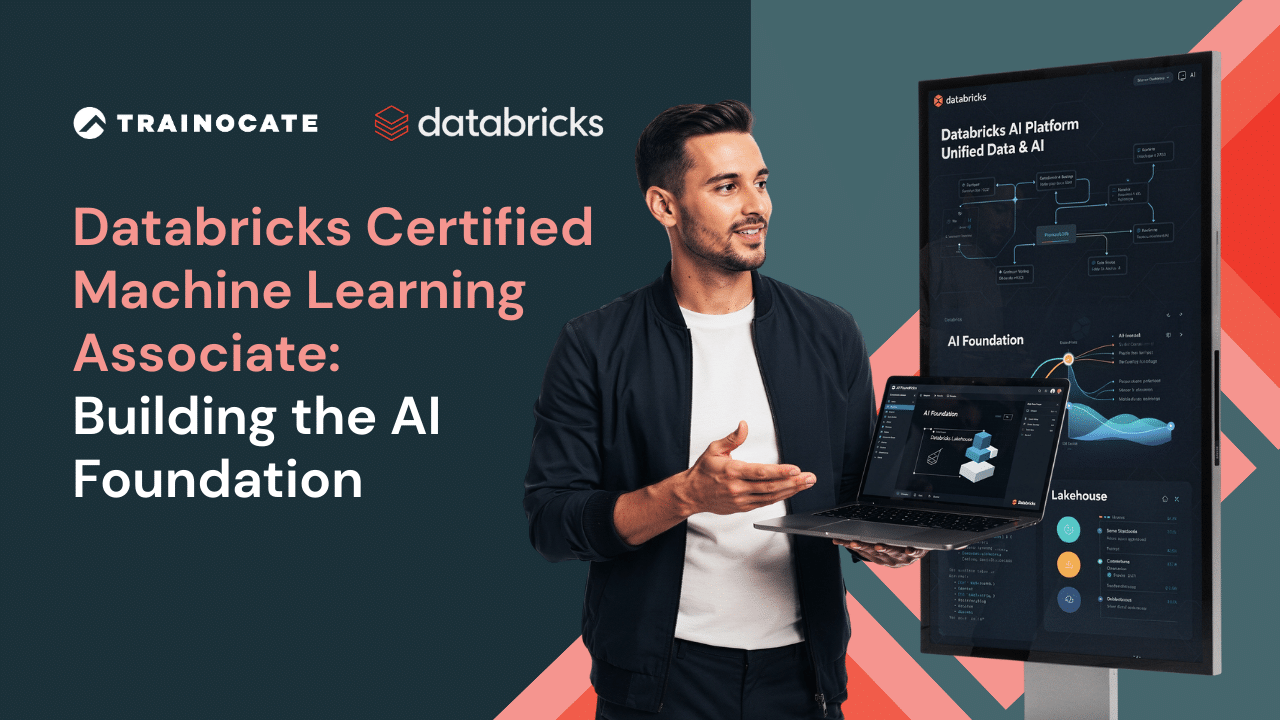
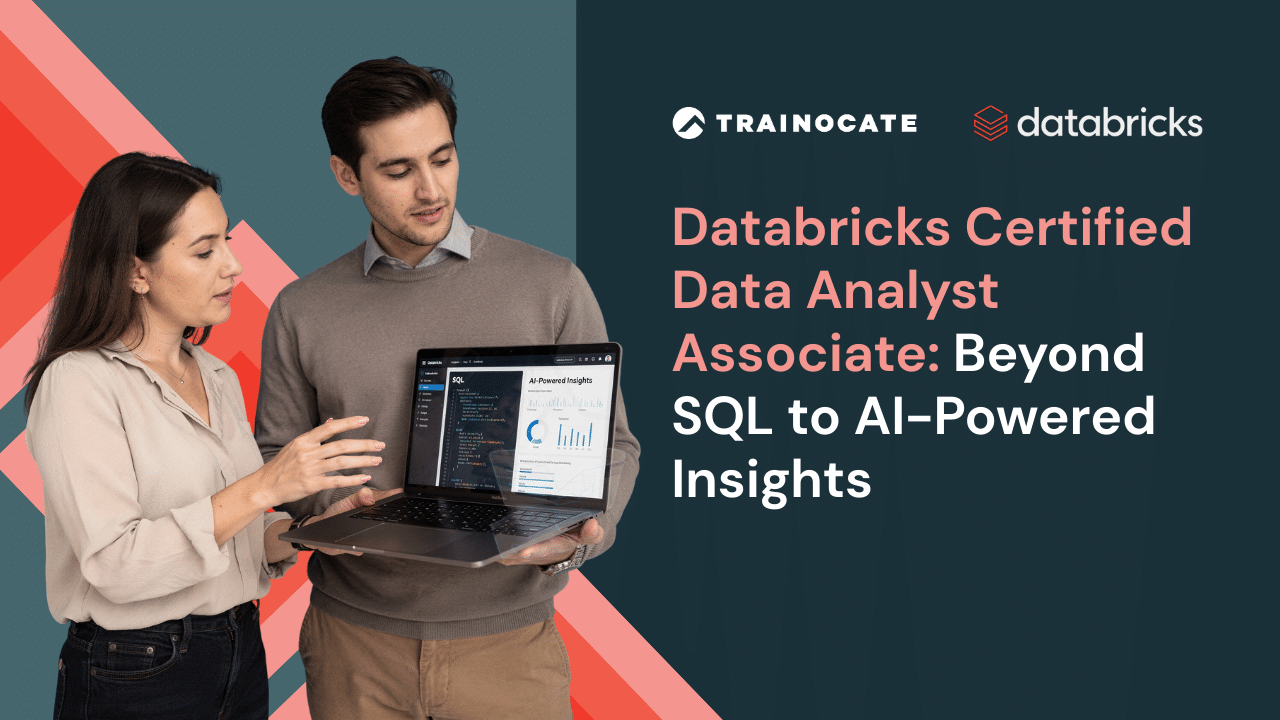
In a competitive market, demonstrating your skills through industry-recognized certifications is crucial. For professionals looking to specialize in AI and data on the cloud, two certifications stand out as particularly valuable for the 2026 job market: